September 28, 2026

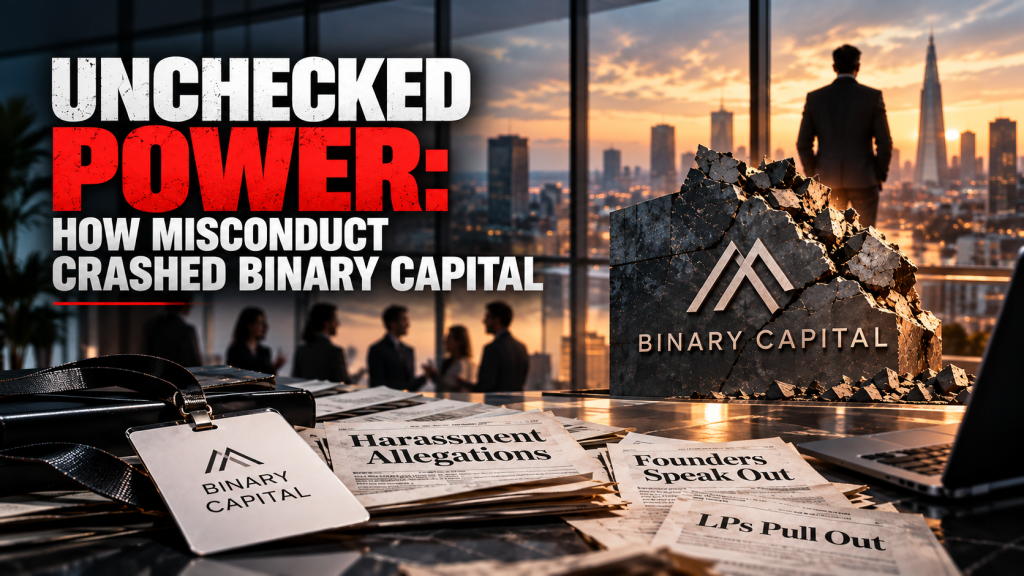
Illustration of Binary Capital's leadership crisis and venture capital governance risks

Binary Capital Fund Collapse: How Misconduct and Governance Failures Undermined a VC Firm

Binary Capital collapse illustrates how misconduct allegations and leadership failures can destabilize a venture capital firm and undermine investor confidence. The firm’s crisis brought attention to the importance of governance, accountability, and limited partner oversight in private investment partnerships. This article examines the allegations and subsequent organizational consequences, highlighting the risks that arise when reputational concerns and weaknesses in leadership oversight threaten an investment firm’s operations.


Binary Capital Fund Collapse: How Misconduct and Governance Failures Undermined a VC Firm Read More »

Amaranth Advisors hedge fund collapse illustrated with natural gas pipelines and falling market charts

Amaranth Advisors Fund Collapse: How Natural Gas Trading Risks Destroyed a Hedge Fund

The Amaranth Advisors fund collapse in 2006 remains a major case study in hedge fund risk management. The investment firm suffered substantial losses after concentrated positions in natural gas markets moved sharply against its trading strategy. The episode illustrates how large market exposures, leverage, and liquidity pressures can combine to threaten an investment fund, even when its positions are based on a seemingly coherent market view.

This article examines the trading risks behind Amaranth’s failure, the challenges of unwinding large commodity positions, and the lessons for portfolio managers and investors. Beyond the immediate losses, the case raises broader questions about position limits, independent risk oversight, stress testing, and the difference between an investment strategy and an excessive speculative exposure.

Amaranth Advisors Fund Collapse: How Natural Gas Trading Risks Destroyed a Hedge Fund Read More »

Illustration of the Abraaj Group collapse and investor trust concerns

Abraaj Fund Collapse: How Governance Failures Shattered Investor Trust

The Abraaj fund collapse became a significant case study in private equity governance, investor oversight, and the risks associated with managing investment capital across complex fund structures. Once regarded as a prominent emerging-markets investment group, Abraaj faced a crisis involving concerns over the handling of investor funds, liquidity pressures, and failures in governance and financial controls.

This article examines the circumstances surrounding Abraaj’s downfall, the concerns raised by investors, and the wider lessons for private equity fund managers and limited partners. The case highlights why transparency, independent oversight, clear fund-accounting practices, and rigorous due diligence are essential to maintaining investor confidence.

Abraaj Fund Collapse: How Governance Failures Shattered Investor Trust Read More »

EU public country-by-country reporting and corporate tax transparency illustration

EU Public Country-by-Country Reporting: Rules and Requirements

EU Public Country-by-Country Reporting brings multinational tax information into the public domain. Large EU and non-EU groups with significant EU operations may need to disclose revenue, profit, tax, employees and activities by jurisdiction using a standardized, machine-readable reporting format.

EU Public Country-by-Country Reporting: Rules and Requirements Read More »

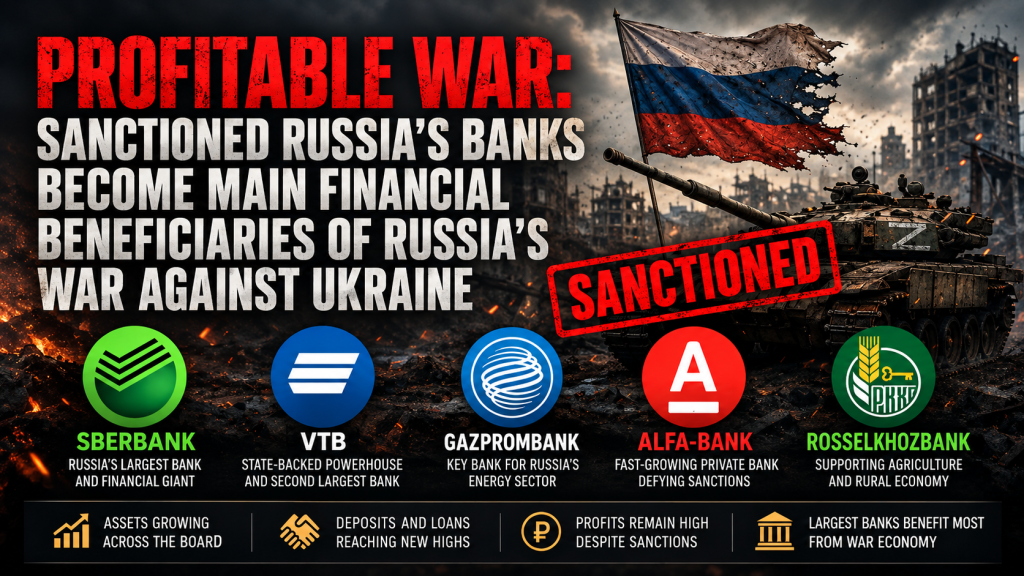
Infographic on Russian banks, Western sanctions and wartime banking profits featuring Sberbank, VTB and Alfa-Bank

Russian Banks Sanctions: Why Profits Rose During War in Ukraine

Russian banks sanctions imposed after Russia’s full-scale invasion of Ukraine in 2022 were intended to restrict financial access, international transactions, and parts of the country’s banking system. Yet some major Russian lenders subsequently reported substantial profits, raising questions about how wartime economic conditions, domestic lending, interest rates, and changes in competition affected their performance. This analysis examines the reported financial results of Sberbank, VTB, and other Russian banks, distinguishing the effects of sanctions from the broader economic forces shaping Russia’s banking sector.

Russian Banks Sanctions: Why Profits Rose During War in Ukraine Read More »

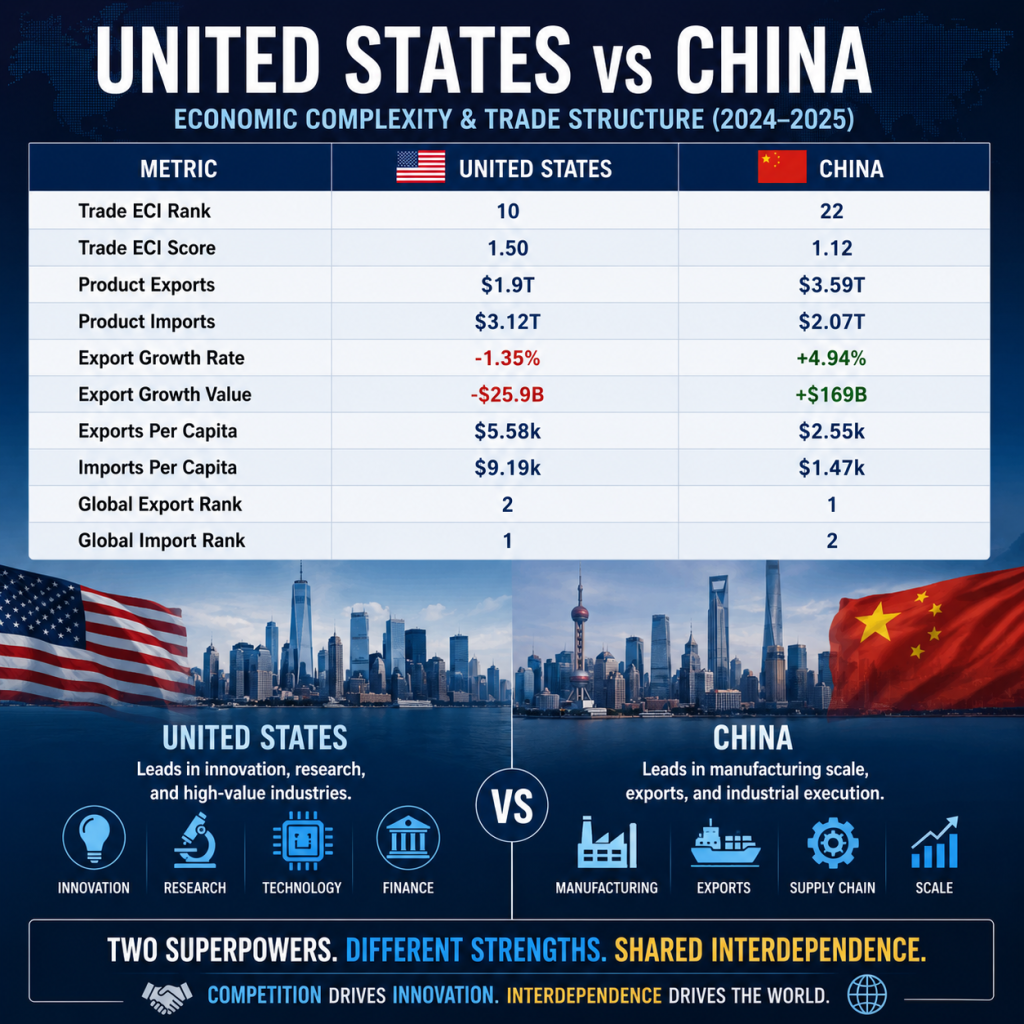
Infographic comparing U.S. and China manufacturing and trade indicators

China Manufacturing Trade: Why Trump Faced a Weaker Position in Beijing

China manufacturing trade is central to understanding the economic relationship between the United States and China. Despite years of tariffs and industrial policy measures, Chinese manufacturing capacity and integrated supply chains continue to influence U.S. trade negotiations. This article examines how differences in industrial scale, production networks, and trade dependence shaped the positions of both countries during Trump’s Beijing talks.

China Manufacturing Trade: Why Trump Faced a Weaker Position in Beijing Read More »

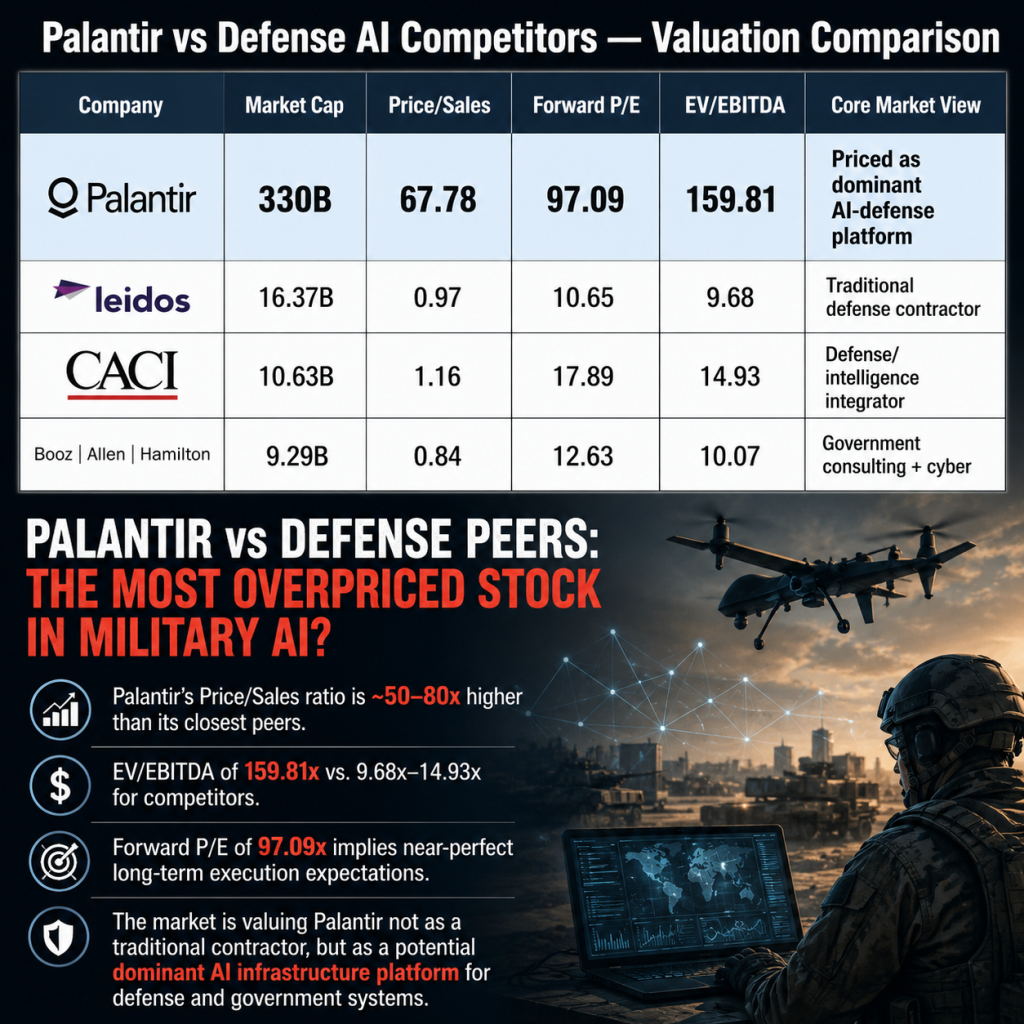
Palantir valuation comparison with Leidos, CACI and Booz Allen in the defense AI market

Palantir Valuation vs Defense Stocks: Is Military AI Overpriced?

Palantir valuation vs defense stocks raises a fundamental question for investors: how much of Palantir’s market premium can be justified by its artificial intelligence capabilities and future growth expectations? Comparing Palantir with established defense technology companies such as Leidos, CACI, and Booz Allen Hamilton helps reveal the differences in valuation multiples, business models, growth prospects, and investment risk.

Palantir Valuation vs Defense Stocks: Is Military AI Overpriced? Read More »

Transfer Pricing Disputes

ExxonMobil Transfer Pricing Case: Cost Sharing Lessons

The ExxonMobil transfer pricing case illustrates how intercompany cost-sharing arrangements can become the subject of significant tax disputes. Beyond the terms of an agreement, tax authorities and courts may examine the commercial rationale for the arrangement, the allocation of expected benefits, and the economic substance of transactions between related entities.

This article examines the ExxonMobil transfer pricing case and its implications for multinational groups managing cross-border cost-sharing arrangements. It explores the importance of defensible intercompany agreements, supporting documentation, and consistent treatment of costs and benefits, while drawing practical lessons for transfer pricing governance and tax risk management.

ExxonMobil Transfer Pricing Case: Cost Sharing Lessons Read More »

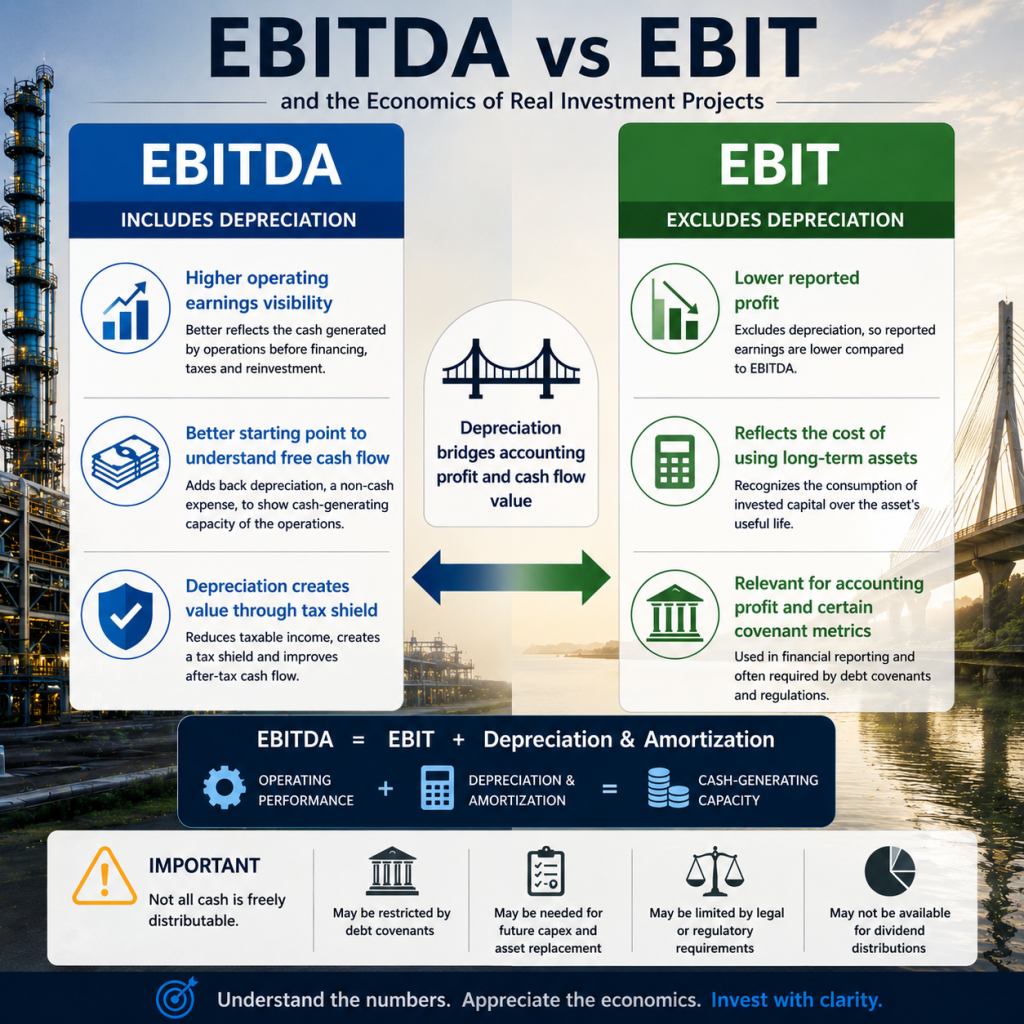
EBITDA vs EBIT comparison showing depreciation, amortization and investment project profitability

EBITDA vs EBIT in Investment Projects: What Really Matters?

EBITDA vs EBIT in investment projects is an important distinction when evaluating capital-intensive businesses and long-term investments. Although both measures describe operating performance, they treat depreciation and amortization differently, which can significantly affect how investors interpret profitability. For investment projects involving substantial capital expenditure, EBITDA alone may present an incomplete picture of economic performance. Understanding EBIT, depreciation, tax shields, and project cash flow helps investors assess the true financial implications of investment decisions.

EBITDA vs EBIT in Investment Projects: What Really Matters? Read More »