Global Trade | Compliance | Non-Tariff Barriers

Explore global trade compliance, regulatory requirements, and non-tariff barriers that shape international market access. Our analysis covers technical standards, trade regulations, cross-border operations, and the commercial risks businesses face in international markets. Discover more research and practical insights in our articles and insights library.

Our business consulting services help companies and professionals navigate international trade challenges, assess regulatory risks, evaluate market opportunities, and make informed strategic decisions. We combine economic analysis with practical business perspectives to support international expansion and cross-border operations.

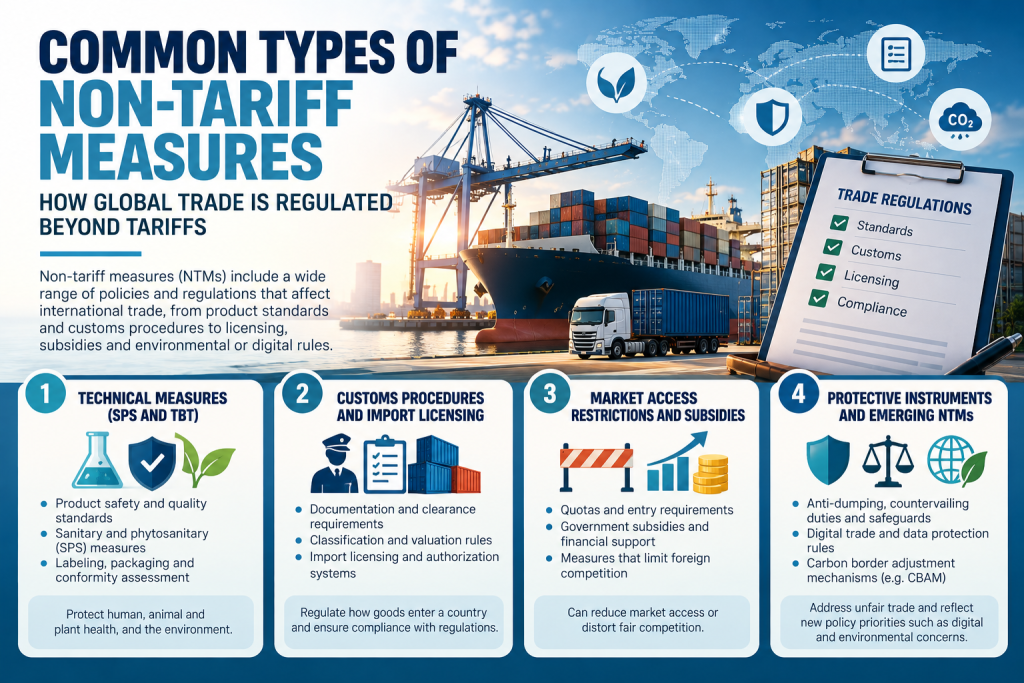
Common Types of Infographic illustrating non-tariff measures, including trade standards, import licensing and market access regulations

Common Types of Non-Tariff Measures: NTMs Explained

Common types of non-tariff measures shape how goods enter international markets, comply with domestic regulations, and compete across borders. These measures include sanitary and phytosanitary (SPS) requirements, technical standards, import licensing, subsidies, trade remedies, and emerging digital trade rules. Understanding how they operate helps exporters, importers, and investors assess compliance obligations, market access conditions, and the commercial effects of trade regulation.

Common Types of Non-Tariff Measures: NTMs Explained Read More »
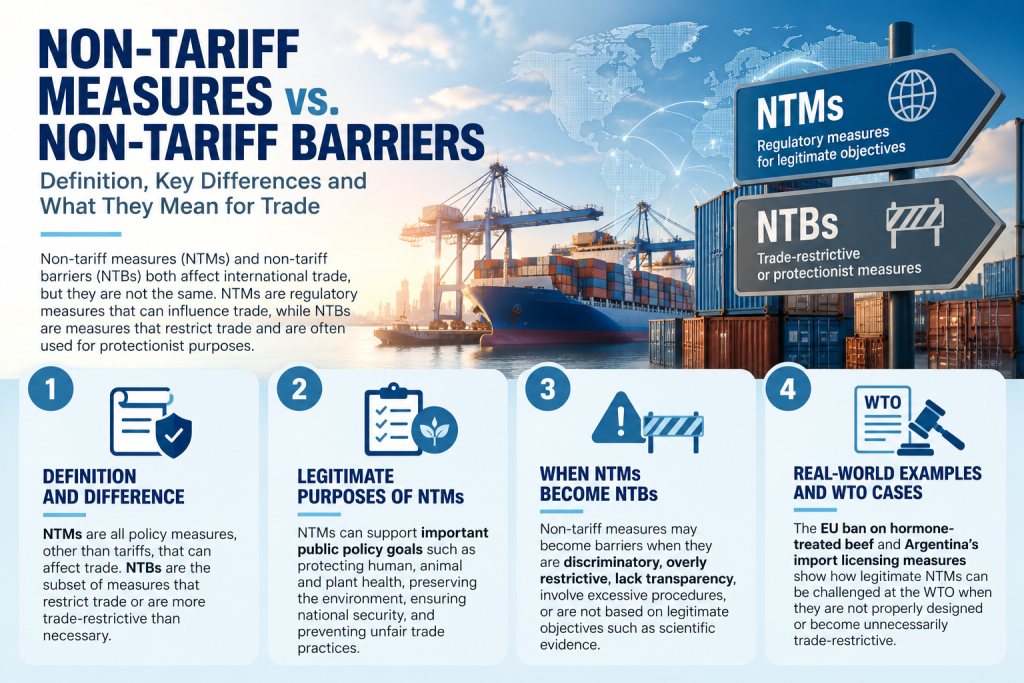
Infographic comparing non-tariff measures and non-tariff barriers in international trade

Non-Tariff Measures vs. Non-Tariff Barriers: What Is the Difference?

Non-tariff measures vs non-tariff barriers is an important distinction in international trade: not every regulation affecting imports is an unjustified restriction on market access. Non-tariff measures (NTMs) include technical standards, health and safety requirements, licensing procedures, and other rules that can serve legitimate public objectives. However, their design or implementation may also create disproportionate costs, discriminatory treatment, or unnecessary obstacles for foreign suppliers. Understanding the difference helps businesses assess trade compliance, regulatory risk, and access to international markets.

Non-Tariff Measures vs. Non-Tariff Barriers: What Is the Difference? Read More »

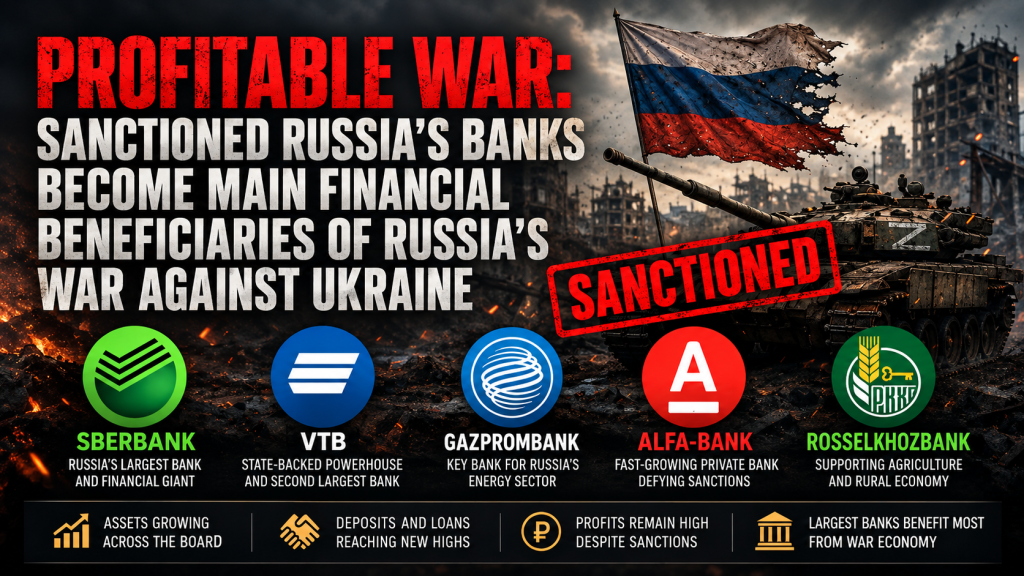
Infographic on Russian banks, Western sanctions and wartime banking profits featuring Sberbank, VTB and Alfa-Bank

Russian Banks Sanctions: Why Profits Rose During War in Ukraine

Russian banks sanctions imposed after Russia’s full-scale invasion of Ukraine in 2022 were intended to restrict financial access, international transactions, and parts of the country’s banking system. Yet some major Russian lenders subsequently reported substantial profits, raising questions about how wartime economic conditions, domestic lending, interest rates, and changes in competition affected their performance. This analysis examines the reported financial results of Sberbank, VTB, and other Russian banks, distinguishing the effects of sanctions from the broader economic forces shaping Russia’s banking sector.

Russian Banks Sanctions: Why Profits Rose During War in Ukraine Read More »

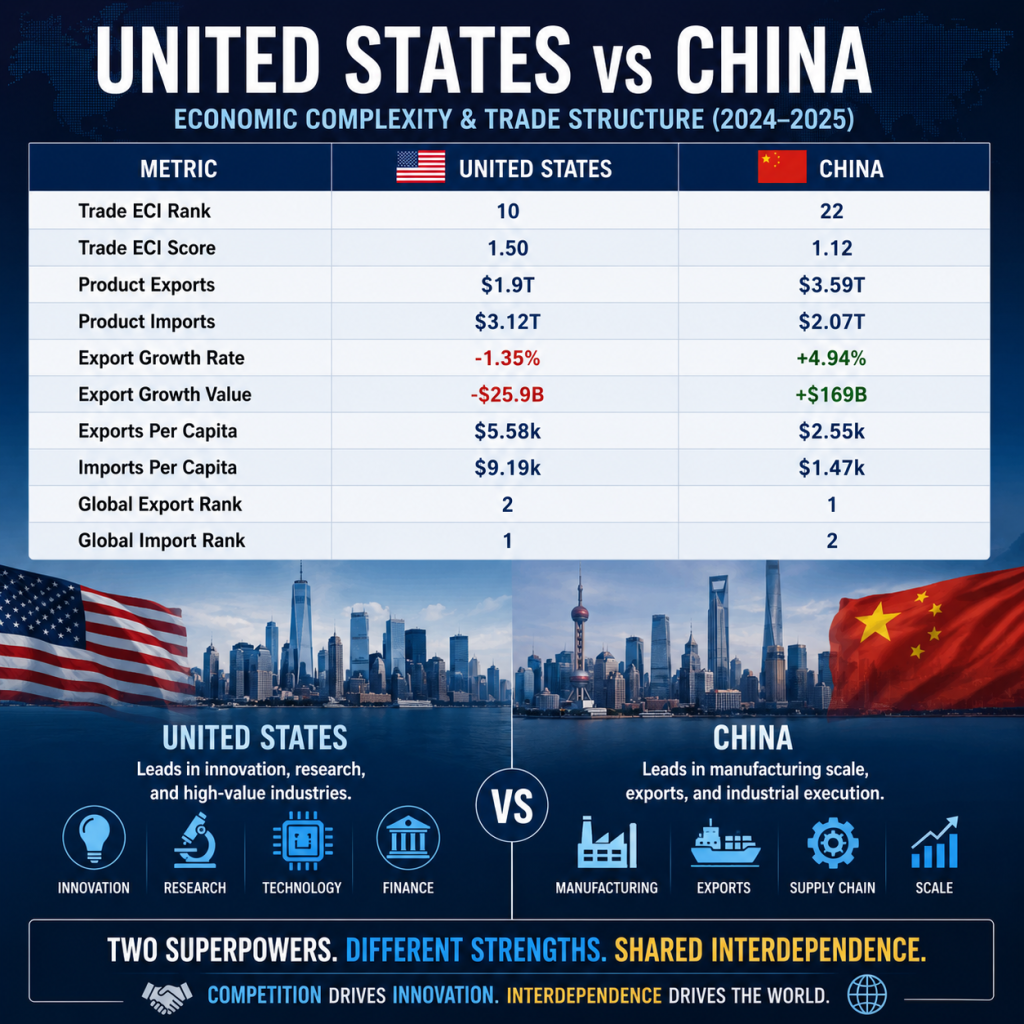
Infographic comparing U.S. and China manufacturing and trade indicators

China Manufacturing Trade: Why Trump Faced a Weaker Position in Beijing

China manufacturing trade is central to understanding the economic relationship between the United States and China. Despite years of tariffs and industrial policy measures, Chinese manufacturing capacity and integrated supply chains continue to influence U.S. trade negotiations. This article examines how differences in industrial scale, production networks, and trade dependence shaped the positions of both countries during Trump’s Beijing talks.

China Manufacturing Trade: Why Trump Faced a Weaker Position in Beijing Read More »